Insights from the Particular Audience Leadership Breakfast, Cannes
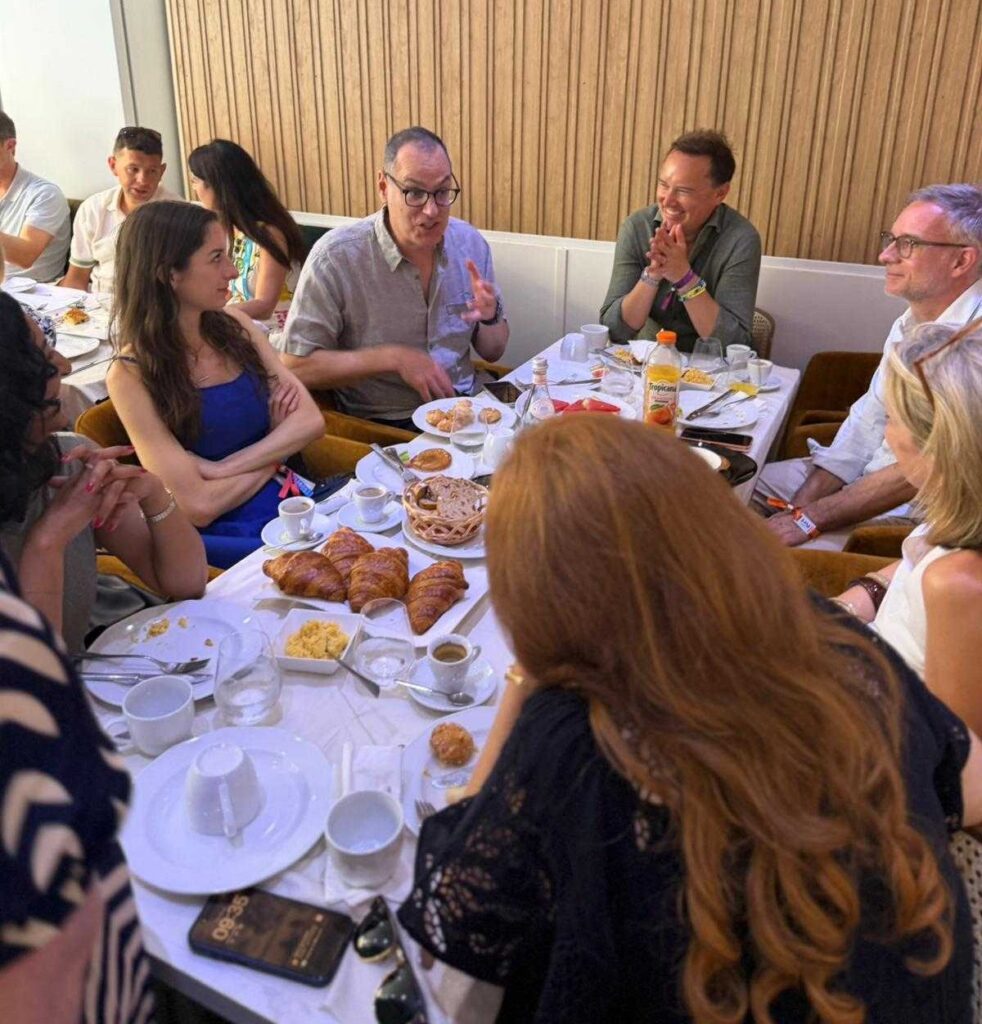
The sun was barely up over the Croisette when senior leaders from retail, FMCG, and media gathered for an intimate breakfast hosted by Particular Audience. The topic, AI's Impact in Commerce & Retail Media, could have filled a week's worth of panels. We had one morning. What followed was one of the most candid conversations we've had about where the industry actually is, versus where it says it is.
We opened with a panel discussion featuring Rory McDonald from The Warehouse Group in New Zealand, before breaking out into structured table discussions. Here's what we heard.

One of the clearest themes to emerge (and credit to Nicole for naming it so directly) was how companies are adapting to AI is genuinely inconsistent. Not just across sectors, but within individual organisations.
Nestle is a useful case study. They're using AI on the factory floor to drive operational efficiency, while simultaneously building AI-powered menu and recipe tools inside Walmart to engage consumers at the point of purchase. And yet internally? Hit or miss. The gap between how people are using AI at work versus how they use it as consumers is striking. At work, most usage remains search-based and cautious. As consumers, they're increasingly trusting AI to shortlist, recommend, and guide purchase decisions.
This duality matters. It means the companies best placed to win aren't necessarily the ones investing the most in AI. They're the ones who understand it from both sides of the equation.
AI is shortening the shopping journey. Consumers are seeing fewer options, but the options they do see are more relevant. The filter is getting smarter.
That said, trust remains central. AI-generated recommendations land better when they point toward known retailers and recognisable brands. Today, most consumers are using AI to research and compare, rather than to buy outright. The fully autonomous AI shopper is still some way off.
But the direction of travel is clear. As AI gets better at understanding intent, the consideration set narrows. For brands, this raises a critical question: are you in the set that AI recommends, and why?
The quality of the underlying LLM matters. But so does the quality of your data. These aren't separable.
There's a view in the room that AI is potentially an illusion, a new tool that speeds up what was already happening, rather than a genuine paradigm shift. It's a fair challenge. But even if that's true, the acceleration changes what success looks like.
Winning in an AI-mediated environment becomes less about media buying and more about data quality. Brands need rich product metadata, a strong digital presence, and a reputation that AI can actually find and trust. Reviews, Reddit threads, PR coverage: AI pulls from all of it. If your brand's story isn't being told clearly in the places AI looks, you won't be recommended.
Creative is also changing. AI can help make the process more turnkey, a genuine opportunity given that every retailer has different ad formats and requirements. If AI can streamline creative production and adaptation, shopper marketing teams can reach more retailers, more efficiently, without proportionally growing headcount.
The harder conversation is about what happens to agencies and junior roles in this environment. Those discussions are happening, but they're not finished.
The retailers coming out ahead aren't necessarily the ones who've made the biggest AI bets. They're the ones who got their data foundations right first.
Kroger came up as an example of a retailer that moved early, invested in understanding the technology, and underpinned it all with serious data infrastructure. The result is a platform that can actually leverage AI, not just talk about it.
Others are taking different paths. Albertsons is being more experimental, willing to try things and learn. Nectar 360 is building out a more integrated proposition. The common thread among the leaders: they've connected retail media, loyalty, and data into a single monetisation engine. AI accelerates that flywheel; it doesn't replace the need to build it.
The Nestle clean room partnership with DoorDash was a compelling example from the brand side. By merging first-party data, they've become more strategic about insights and spend. But the room agreed: you have to have the right people in the conversation. Merchandising can't be an afterthought. Category teams and retail media teams need to be aligned.
Drew raised an important counterpoint: there's a growing counter-culture movement around AI. Consumers who feel over-automated, over-targeted, or disconnected from the human elements of retail are pushing back. The retailers who get this right will be those who use AI to improve the in-store experience, not just the algorithmic one. The risk of losing genuine connectivity with consumers is real, and it's a strategic risk, not just a PR one.
The most honest thing said all morning was also the most useful: AI won't replace retail media. It will reshape it.
Consumers will get more relevant experiences, but the bar for relevance will keep rising. Brands need stronger data foundations and clearer reputational signals. And the retailers best positioned to win are those building unified platforms that combine media, loyalty, and AI-driven personalisation into one seamless engine.
The gap between companies that understand this and those still experimenting at the edges is already visible. The breakfast was a reminder that the conversations happening in rooms like this one, honest, specific, and grounded in real business decisions, are where competitive advantage is actually being shaped.
This post is based on discussion from the Particular Audience Leadership Breakfast held in Cannes. Comments have been paraphrased and attributed to protect the candour of the session.